by Dr. M | Mar 10, 2020 | Cornea, Exam, Experience, Laser, LASIK, Mark Moran, Uncategorized, Vision
Patients are curious about what happens during LASIK surgery. 
Dr. Moran knows that a well-informed patient makes the best medical decisions. Understanding what happens during LASIK can lead to a more calm and comfortable experience. We’ve highlighted the most commonly asked questions about all-laser LASIK with Intralase. The best way to find out if you are a candidate for this vision correction procedure, is to come in for a free one-hour consult appointment.
LASIK vision correction is a 2-step process.
- First, we create the flap in the surface of the cornea.
- Second, we lift the flap and apply laser treatment to reshape the corneal tissue.
What is Intralase?
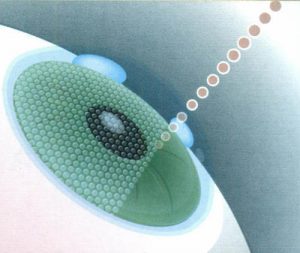 A: The IntraLase Method uses laser light to create a flap in the outer layer of your cornea. The laser creates an even layer of microscopic bubbles under the corneal surface. The flap is hinged, like the page of a book. Dr. Moran then lifts the flap by gently separating the tissue where these bubbles have formed. After the flap is lifted, Dr. Moran moves to the second step of the procedure, applying the laser treatment to reshape the corneasisipisi.ccsisipisi.ccsisipisi.ccsisipisi.cc.
What makes using Intralase technology unique?
A: The IntraLase Method uses a laser to create the flap. This laser-guided application creates a smooth even surface after your flap is lifted.
Are there benefits to using the Intralase Method?
A: Although the risk of flap-related complications with LASIK is very low, with Intralase, the rate of flap complications are further reduced. The flap created by the laser is determined and created by your surgeon, so it is tailored to the contours of your eye.
How long does LASIK surgery take?
A: The total time in the surgery suite takes about 20 minutes. During step 1 of the procedure, creating the flap, the laser application takes about 15-20 seconds per eye. Step 2 of the procedure, applying the laser treatment, depends on your prescription. It can take from just a few seconds, to about one minute per eye. Dr. Moran will let you know the length of your specific treatment. During the laser application, he will count down the seconds, so you know how much time remains. He keeps you informed about what you can expect, every step of the way.
What is the difference between LASIK and PRK (photorefractive keratectomy)?
A: PRK vision correction is done without creating a flap. Instead, PRK starts by removing a small area of tissue on the surface of the cornea. A clear contact lens is placed on the eye after PRK surgery, to aid in comfort while healing. Dr. Moran will remove the contact lens when the cornea is healed, usually about 3 days after surgery. The recovery time for PRK is longer than LASIK. With LASIK you should be able to drive the day after surgery, while after PRK surgery, you may not see clearly enough to drive for a few days. Why do patients choose PRK? PRK is an option for patients who may not be able to have LASIK due to thinner corneas. PRK is also preferred for patients who are at risk for eye injuries, including patients who do boxing, mixed martial arts, or who are joining certain levels of the military.
by Dr. M | Aug 6, 2019 | Cost, Education, Medical Eye Care, Medication, Patient Care, Prescriptions, Uncategorized

Talk to your pharmacist…you’ll be glad you did!
Have you spoken to your pharmacist lately? We know that prescription medications can be expensive. Your pharmacist can help you manage your medications, and may be able to help you find savings on your prescriptions.
Make friends with your pharmacist.
Your pharmacist is an essential part of your healthcare team. They may be aware of resources that can save you money, all you have to do is ask! Ask if you can speak with your pharmacist, they are happy to take a few minutes to review your medications. Most pharmacies have a private place for patient consultations.
Discount PROGRAMS.
Your pharmacist might be aware of discount programs that can save you money. They have a complete list of your medications, so they can can review the list with you. Talk to the pharmacy staff to see if there are any discount plans or strategies that might help you save some money.
ASK YOUR DOCTOR.
Ask your doctor if you there is a generic version of the medication. Generics are less expensive, and have the same active ingredients as the brand-name medications.
We want you to stay on track with the medications that are prescribed for you. The first step toward that goal is making sure that you get the medications that you need to stay healthy.
We know that an informed patient makes the best healthcare decisions, so make sure ask questions! You can benefit from relationships with every member of your healthcare team.
by Dr. M | Apr 23, 2019 | Allergies, Appointment, Conjunctivitis, Cornea, Dry Eye, Exam, Uncategorized, Vision
When you see the trees and flowers start to bloom, do you think “YAY, Spring!” or “OH, NO, Allergies!”?
Do your eyes feel itchy and irritated with seasonal allergies? Don’t suffer, come in for relief from the symptoms of allergy eyes. Dr. Moran and Dr. Tang can evaluate the best treatment for your allergy eyes that will help you enjoy the beauty of Spring.
SYMPTOMS OF ALLERGIC CONJUNCTIVITIS: Itching, redness, tearing and eyelid swelling. This condition is often accompanied by other signs of allergies, like a stuffy, itchy and runny nose. It’s not contagious since it is caused by dust or allergens. Artificial tears, antihistamine eye drops, and medication can help relieve the symptoms.
If you use an over-the-counter (OTC) allergy medicine like to treat a runny or congested nose, while this medicine dries out our sinuses, it causes dryness in your mouth and eyes too! Use lubricating eye drops (artificial tears) when you take allergy medicines, and you give your eyes the moisture that they need to feel better and see clearly.
There are also specific OTC allergy eye drops that are can be used to treat irritated allergy eyes, but these drops aren’t suitable for long-term use. We don’t recommend drops that “get the red out”. These drops may offer a quick fix for red eyes, but they don’t give you any long-term benefits. In fact, you may become dependent on them, since they don’t solve your dry eye issues.
Our doctors can diagnose if there are other underlying causes for the eye irritation…it might not be just allergies. If you have a crusty, yellowish discharge you may have an infection that needs to be treated with antibiotics.
We are here to help you maintain good eye health and excellent vision no matter the season. Call us, text us, or fill out the form on this page to make an appointment with Dr. Moran or Dr. Tang.
by Dr. M | Dec 5, 2018 | Diabetes, Dilation, Education, Exam, Eyeglasses, Floaters, Glasses, Medical Eye Care, News, Office, Patient Care, Retina, Uncategorized, Vision
How does Diabetes affect your eyes?
Diabetics need to see their eye doctor at least once a year.
Diabetes can cause damage to the blood vessels that supply the retina. These damaged blood vessels may leak, swell or bleed causing problems with your vision. Diabetes can also increase the growth of cataracts, and increase your risk of glaucoma. Changes in your blood sugar can cause blurriness in your vision, and fluctuations to your glasses prescription.
What is the best way to keep my eyes healthy?
Annual eye exams are important, because left untreated, diabetic retinopathy can worsen, and lead to blindness. Patients with uncontrolled blood sugar are at a higher risk for problems, but even patients who control their diabetes can develop issues.
Are there warning signs of diabetic eye disease?
Whether you are diabetic or not, if you notice any changes to your vision, you should see your doctor as soon as possible. If you notice a change in prescription, any cloudiness, blind spots or increased floaters in your vision, you should see your eye doctor.
Will controlling my blood sugar help my vision?
Yes. Swings in your blood sugar readings can cause changes to your vision. High blood sugar can cause swelling in the eye, which can affect your vision. If your blood sugar fluctuates, your vision will fluctuate too, and you may find that your glasses don’t work effectively.
Is there a way to treat diabetic retinopathy?
There are different options for treating diabetic retinopathy. Dr. Moran and Dr. Tang can discuss which options are best for your needs. There laser treatments which target the damaged vessels, as well as medications which can help preserve your vision.
If you are Diabetic, Annual Vision Exams are a MUST!
Diabetics have special needs when it comes to taking care of their eyesight. With a dilated exam, your doctor can detect and begin to treat diabetic eye disease before you notice any vision changes. Your annual exam allows our doctors to check for early onset cataracts and glaucoma.
If you (or someone you care about) has diabetes, make sure to connect with the trusted eye care team at Moran Eye Associates.
Call our office to schedule an appointment 610-628-2022.
by Dr. M | Aug 13, 2018 | Uncategorized

Cindy’s birthday treat!

August is Birthday Month at Moran Eye Associates, with four birthdays to celebrate!
When you come into our office in August, say “Happy Birthday!”. You will be sure to make someone’s day even more special, since it’s a month-long birthday celebration!
- Beth kicks off the month on August 1st.
- Dr. Tang follows on August 8th.
- Cindy celebrates on August 12th.
- Mandy ends the month-long celebration on August 21st.
Wishing everyone a happy birthday and a year filled with good health and happiness to follow.
by Dr. M | Jul 10, 2018 | Appointment, Cataracts, Contact Lenses, Education, Glasses, Mark Moran, Office, Patient Care, Uncategorized
Your child’s vision is very important to his or her success in school…
which is why Moran Eye Associates is offering:

FREE Vision Screenings
for School-Aged Children
Saturday, Aug 4th from 8 am-12 noon
1204 Delaware Avenue, Bethlehem, PA 18015
No Appointment is Necessary!
Vision screenings will be conducted by Dr. Mark Moran and Dr. Bianca Tang. Our expert doctors and staff will evaluate your child’s vision to see if he or she may have any issues that should be addressed BEFORE school starts.
No appointment is necessary, this is a walk-in event. Parking is available in our lot on Bergen Street.
Mark E. Moran, D.O., M.S.H.I., F.A.O.C.O is a board-certified ophthalmologist and Fellow of the American Osteopathic College of Ophthalmology. He has been practicing in the Lehigh Valley for 25 years. Dr. Moran specializes in LASIK vision correction, cataract surgery, medical eye care, and comprehensive eye examinations.
Bianca Tang, O.D. Dr. Tang is a Summa cum laude graduate of Pennsylvania College of Optometry at Salus University. She earned her undergraduate degree, also Summa cum laude, in Biological Sciences and Health Professions at Penn State University. She specializes in comprehensive eye exams, contact lens fittings as well as low-vision solutions for children and adults.